
Vietnam Motorcycle Market Industry Trend Analysis: Opportunities and Strategies for Handlebar Switch Suppliers

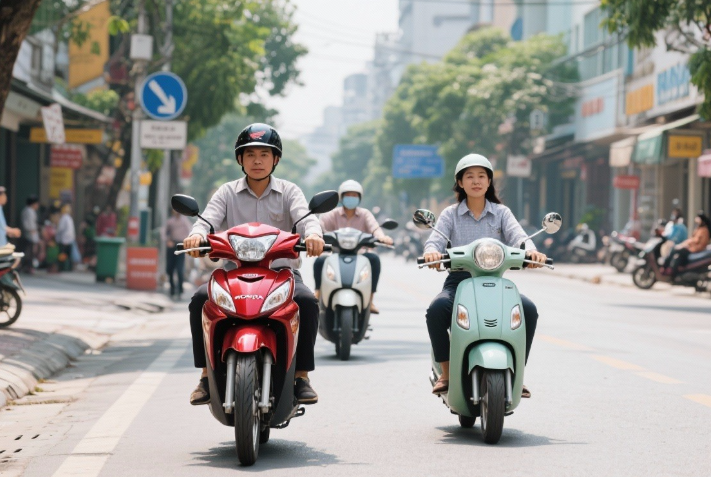
Vietnam Motorcycle Market Industry Trend Analysis: Opportunities and Strategies for Handlebar Switch Suppliers I. Overview of the Vietnamese Motorcycle Market Vietnam is the world's fourth-largest motorcycle market, with over 50 million motorcycles in operation, averaging one motorcycle for every two people. As one of the most important transportation markets in Southeast Asia, Vietnam's motorcycle industry is highly dependent on commuting needs, logistics and delivery services, and rural transportation. Honda dominates the market (80%+ market share), followed by Yamaha, SYM, and VinFast. Key Data: Annual Sales: Approximately 3 million units (2023 data, including fuel-powered and electric vehicles). Mainstream Models: 110-150cc scooters (such as Honda Vision, Yamaha Grande) and underbone motorcycles (such as Honda Wave). Consumer Preferences: Price-sensitive (70% of buyers choose models under $1500), but demand for durable parts is growing. Implications for Handlebar Switch Suppliers: The Vietnamese market requires cost-effective, waterproof, and dustproof switches, especially OEM replacement parts compatible with Honda and Yamaha models. II. Industry Trends and Changes in Handlebar Switch Demand 1. Rise of Electric Vehicles (EVs), but Fuel-Powered Vehicles Still Dominate EV Growth: The Vietnamese government plans for EVs to account for 30% of the market by 2030, with local brands like VinFast and Dat Bike accelerating their development. Opportunities: Electric vehicle handlebar switches require simplified designs (e.g., integrated start/light control) and compatibility with low-voltage circuits (48V). Fuel-Powered Vehicles Still Dominate: Rural areas and the logistics industry still rely on fuel-powered motorcycles (such as the Honda Wave), ensuring stable demand for aftermarket parts. Strategy: Continue supplying traditional fuel-powered vehicle switches, but add anti-corrosion coatings (due to Vietnam's humid climate). 2. Increased Consumer Demand for "Durable Upgraded Parts" Vietnamese riders are gradually shifting from "price-first" to "value-for-money," willing to pay a premium for longer-lasting components: Waterproof Requirements: Long rainy season (May-October), making IP67-rated switches more popular. Impact-Resistant Design: The food delivery and courier industries require impact-resistant switches (e.g., reinforced ABS casing). Customization: Young riders prefer backlit switches (LED) or color customization. Case Study: A parts supplier in Hanoi reported a 25% annual increase in wholesale volume of waterproof turn signal switches. 3. Fierce Aftermarket Competition Prevalence of counterfeit parts: Low-priced switches from China and local Vietnamese manufacturers flood the market, but with high failure rates. Solution: Emphasize product quality assurance and provide a 12-month warranty. Growth in online sales: Platforms like Shopee and Lazada account for 40% of motorcycle parts sales. 4. Policy Impact: Emission Standards and Import Tariffs Euro 5 emission standards implementation: May phase out older models, but locally produced Honda/Yamaha motorcycles in Vietnam will not be affected. Recommendation: Prioritize compatibility with mainstream models currently on sale (e.g., Honda Air Blade 125cc FI). China-ASEAN tariff preferences: Motorcycle parts imported from China enjoy 0-5% tariffs, requiring a certificate of origin (Form E).